Best Solar Panel Connectors for Efficient Energy Solutions?
The growing demand for renewable energy has made solar panels increasingly popular. A key component in the solar energy system is the Solar Panel Connectors. These connectors ensure a reliable and efficient flow of electricity from the solar panels to the inverter and beyond. According to a report by the International Renewable Energy Agency (IRENA), the solar PV capacity has reached over 800 gigawatts globally, highlighting the need for high-quality, durable connectors in this expanding market.
Properly selecting Solar Panel Connectors is essential for maximizing energy output. Poor-quality connectors can lead to significant energy losses and safety risks. A study from the National Renewable Energy Laboratory (NREL) indicates that up to 10% of potential solar energy can be lost due to inadequate connections. Consumers must consider factors like temperature ratings, waterproof capabilities, and ease of installation when choosing these critical components.
In an industry striving for efficiency, not all connectors are made equal. Some may even fail under extreme conditions, leading to costly repairs. Understanding the specifications and requirements of Solar Panel Connectors is vital for ensuring a reliable solar energy system. As the industry evolves, remaining informed will help users make optimal decisions for their energy solutions.
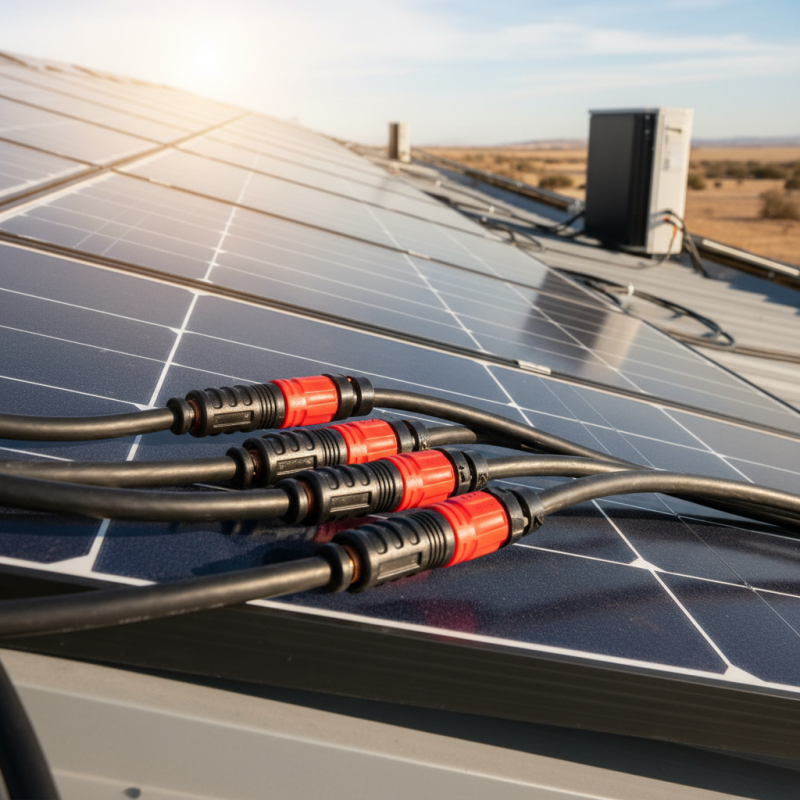
Understanding Solar Panel Connectors and Their Functionality
Solar panel connectors play a crucial role in the efficiency of solar energy systems. They ensure secure and reliable connections between solar panels, inverters, and battery storage. A 2022 report by the International Renewable Energy Agency (IRENA) noted that proper connections can improve energy yield by up to 15%. Quality connectors minimize energy loss and enhance system longevity.
Different types of connectors exist, each with distinct functionalities. Common options include MC4 and Amphenol connectors. MC4, widely used in the industry, offers weather resistance and ease of installation. In contrast, Amphenol connectors provide enhanced durability and are favored in large-scale solar installations. Data from Solar Power World revealed that connectors account for approximately 5% of total system costs, making their selection vital for efficient energy solutions.
However, the choice of connector can sometimes be overlooked. Some users may default to cheaper options, risking energy efficiency. Reports indicate that poor-quality connectors may lead to overheating and damage, thus impacting overall performance. Therefore, careful selection and regular maintenance of these components are essential. Users should evaluate their specific needs and ensure that connectors meet stringent industry standards for reliability and performance.
Efficiency of Different Solar Panel Connector Types
Types of Solar Panel Connectors: MC4, Tyco, and More
When choosing solar panel connectors, understanding the options is crucial. MC4 connectors are the most common choice. Their design allows easy installation and disconnection. They provide a secure and waterproof connection. Many professionals trust MC4 for their efficiency. However, they can sometimes be challenging to disconnect without proper tools.
Tyco connectors represent another option. They are designed for high-performance applications. Their compact size saves space and optimizes layout. The design might require more precision during installation, which can lead to mistakes. Additionally, the compatibility with other systems can be a concern.
Other types of connectors exist too. For instance, H4 connectors are gaining attention. They offer a simpler plug-and-play solution. However, their adoption is not as widespread. Each connector type has its strengths and weaknesses. It’s essential to evaluate your project and preferences carefully. Small details matter, and the wrong choice could lead to inefficiency.
Key Characteristics of High-Quality Solar Panel Connectors
When selecting solar panel connectors, consider several key characteristics. Durability is paramount; connectors should withstand harsh weather and UV exposure. This ensures longevity and reliable performance over time. Look for materials such as high-grade plastics or metals that resist corrosion and wear.
Another critical aspect is compatibility. High-quality connectors should fit various photovoltaic panels. This versatility simplifies installation and maintenance. Seek connectors designed for standard specifications to avoid future issues.
Efficiency is essential. Connectors should minimize energy loss. Poorly designed connectors can lead to higher resistance. This may translate to lower energy output. Assess product reviews to gauge performance. Ultimately, reflect on these traits before making your choice; each connection affects your solar energy system's efficiency.
Best Solar Panel Connectors for Efficient Energy Solutions
| Connector Type | Material | Max Current (A) | Temperature Range (°C) | Waterproof Rating | Warranty (Years) |
| MC4 | Copper/Copper Alloy | 30 | -40 to +85 | IP67 | 25 |
| H4 | Aluminum | 40 | -40 to +90 | IP68 | 20 |
| T4 | Tin-Plated Copper | 20 | -40 to +75 | IP65 | 15 |
| MC3 | Copper | 35 | -40 to +80 | IP66 | 10 |
| SWD | Plastic/Polymer | 25 | -30 to +70 | IP54 | 5 |
Installation Tips for Maximizing Connector Efficiency
When installing solar panel connectors, attention to detail is crucial. Proper alignment ensures optimal energy flow. A slight misalignment can hinder efficiency, leading to energy loss. Many overlook the importance of securely connecting cables. Even a minor shift can affect the overall performance of the solar system.
It's vital to choose connectors that fit snugly without excessive force. Loose connections can cause overheating and long-term damage. Regularly inspecting these connections can prevent unexpected issues. If you notice wear and tear, it's best to replace them promptly. Keep connectors clean and dry to enhance their lifespan. Debris and moisture can lead to corrosion, which dramatically decreases efficiency.
Additionally, consider the orientation of your solar panels. Positioning them correctly can maximize the exposure to sunlight. Over time, you may find that certain installations perform better than others. Reflect on whether your installation setup meets your energy needs. Optimize your system for the future, keeping in mind that conditions and technologies evolve.
Choosing the Right Solar Connector for Your Energy Needs
Choosing the right solar connector is critical for maximizing energy efficiency. Solar connectors act as a bridge between solar panels and the inverter, directly influencing energy transmission. A poorly chosen connector may lead to energy loss or system failures. Therefore, selecting connectors that ensure compatibility, durability, and proper ratings is essential.
When considering connectors, focus on the type of installation you have. Are you dealing with high temperatures or harsh weather conditions? Connectors must withstand these challenges to ensure efficiency. Look for connectors with robust waterproof ratings and UV resistance. These features will prevent degradation over time, leading to better performance.
It's essential to reflect on your energy needs as well. Different solar setups require different connectors. For instance, residential installations may not need the same robustness as commercial systems. Relying solely on recommendations may overlook unique requirements. Always assess your situation before making a decision. In the world of solar energy, the right connector can make all the difference.