Why Choose Pneumatic Equipment for Your Business Needs?
In today's competitive landscape, choosing the right tools for your business is crucial. Pneumatic Equipment stands out as a powerful solution for many industries. This equipment uses compressed air to perform tasks efficiently. It can drive tools, operate machines, and increase automation.
Pneumatic systems are known for their reliability. They often require less maintenance than electric systems. But, they may not be suitable for all applications. Businesses need to evaluate their specific needs. The benefits of Pneumatic Equipment include reduced energy costs and increased productivity. However, initial setup costs can be a concern.
Many companies have experienced significant improvements after switching to Pneumatic Equipment. They found that air-powered tools delivered the necessary power without the drawbacks of other systems. This switch can enhance operational efficiency. Yet, understanding the limitations is essential for effective use. Overall, investing in pneumatic solutions could be key to staying ahead in your industry.
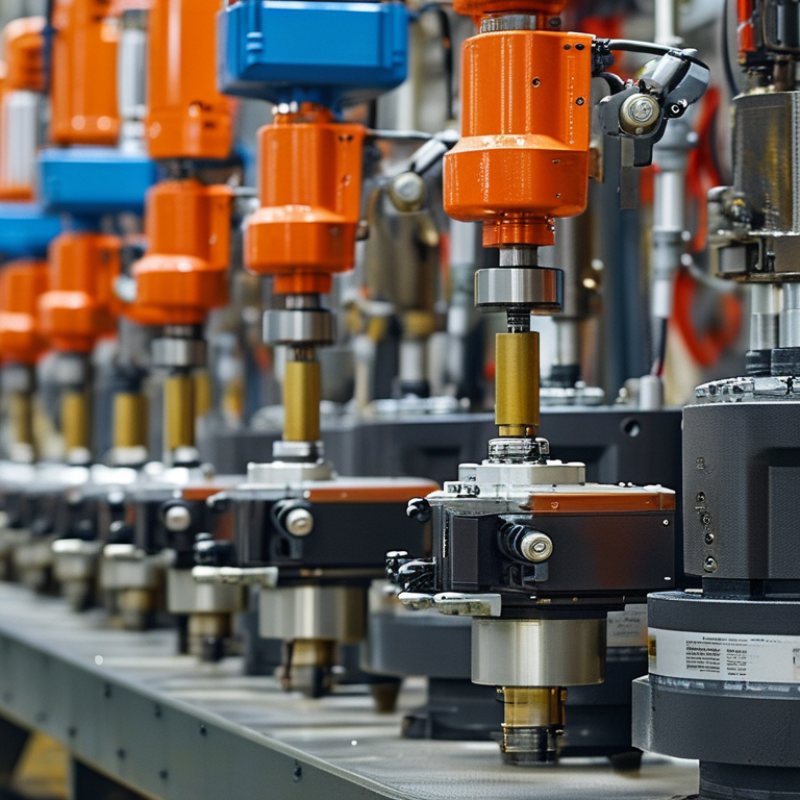
Benefits of Pneumatic Equipment in Industrial Applications
Pneumatic equipment offers a range of advantages for various industrial applications. It provides efficient power transmission using compressed air. This method is cleaner compared to hydraulic systems, as it doesn’t leak oil. Factories are often more environmentally friendly with pneumatic tools.
In addition, the maintenance of pneumatic systems is relatively simple. Many components can be easily replaced without specialized training. However, it’s crucial to monitor air quality. Contaminated air can lead to equipment failure. Regular checks can prevent costly downtime and repairs.
Pneumatic systems are versatile and can be used in different settings. They power tools, actuators, and conveyor systems. These tools can be lightweight yet powerful, enhancing productivity. However, sometimes the initial setup cost can be a hurdle. Businesses must weigh long-term savings against upfront expenses. Overall, pneumatic equipment can elevate operational efficiency significantly when managed properly.
Cost-Effectiveness of Pneumatic Systems Compared to Electric Alternatives
Pneumatic systems have become popular in various industries due to their cost-effectiveness. These systems use compressed air, which is often more affordable than electric power. For businesses looking to reduce operating costs, this can lead to significant savings. Over time, the lower energy consumption translates into reduced utility bills.
Maintenance costs for pneumatic equipment are generally lower as well. Pneumatic systems often have fewer moving parts compared to electric alternatives. This means fewer repairs are needed. However, it’s essential to monitor these systems closely. Air leaks can lead to inefficiencies. Regular maintenance will help ensure optimal performance.
While electric systems offer benefits, they can be more expensive to operate in the long run. The initial investment may seem appealing, yet energy costs accumulate over time. For companies focused on cost control, pneumatic equipment stands out as a viable option. Evaluating both systems can reveal surprising insights. Getting the most out of your resources should always be a priority.
Efficiency and Speed: Pneumatic Equipment Performance Metrics
Pneumatic equipment offers unique performance metrics that benefit various industries. Its efficiency and speed are two critical advantages. These systems can operate at high speeds, allowing for quick response times. In manufacturing, this can mean faster assembly lines and improved output. The ability to control pressure and flow adds to this performance, streamlining processes.
However, efficiency doesn't come without challenges. Maintenance is often required to ensure optimal performance. Pneumatic systems can be affected by dust or moisture, which may hinder operation. Operators must be well-trained to troubleshoot and maintain these systems. Monitoring performance metrics regularly is crucial for early detection of issues, ensuring sustained efficiency.
The impact of pneumatic equipment on productivity is significant. Speed can lead to increased throughput and lower labor costs. Yet, poor performance can arise from a lack of understanding of the system's needs. Regular training and flexibility in adapting to new technologies are essential. Overall, pneumatic systems can drive substantial performance improvements when properly managed.
Why Choose Pneumatic Equipment for Your Business Needs? - Efficiency and Speed: Pneumatic Equipment Performance Metrics
| Metric | Value | Description |
| Cycle Time | 0.5 seconds | Time taken to complete a full cycle of operation. |
| Air Consumption | 2.5 CFM | Amount of air used during operation, measured in cubic feet per minute. |
| Output Force | 1000 N | Force applied through the pneumatic actuator. |
| Efficiency Rate | 95% | Percentage of useful output from the input energy. |
| Response Time | 0.1 seconds | Time taken for the equipment to respond to a signal. |
Safety Standards and Compliance in Pneumatic Equipment Usage
Pneumatic equipment has become essential in various industries due to its efficiency and reliability. However, the focus on safety standards and compliance cannot be overlooked. In 2022, approximately 30% of workplace injuries were linked to improper pneumatic equipment usage. This statistic highlights the critical need for adhering to safety protocols.
Regulations from organizations like OSHA outline specific guidelines for pneumatic equipment. These guidelines emphasize the importance of regular maintenance and safety training for operators. Failing to comply can lead to not just injuries, but significant fines. A recent survey indicated that 40% of companies experienced increased costs due to non-compliance issues.
Moreover, many businesses underestimate the complexity of pneumatic systems. For example, improper pressure settings can lead to equipment failure. Data from industry reports show that nearly 60% of equipment failures are attributed to incorrect setup or maintenance. Investing in training and compliance not only enhances workplace safety but also boosts overall productivity.
Maintenance Requirements and Longevity of Pneumatic Systems
Pneumatic systems are known for their efficiency and power. However, their maintenance requirements are crucial for optimal performance. Regular checks can extend the lifespan of these systems significantly. Often overlooked, the air filters and regulators need to be cleaned frequently to prevent failures. Neglecting these components can lead to efficiency loss and increased operational costs.
In addition, proper lubrication is essential. Without it, mechanical parts can wear out quickly. It's important to monitor lubricants and replace them according to the manufacturer's guidelines. Timely maintenance creates a reliable system that can handle heavy workloads over time. As with any machinery, understanding the nuances of pneumatic systems is key. Awareness of potential leaks or pressure drops is vital.
Frequent inspections are beneficial but can sometimes feel tedious. However, they can uncover minor issues before they escalate. Training staff to identify subtle malfunctions is a valuable investment. This proactive approach, although demanding, pays off. The longevity of pneumatic systems hinges on attention to detail and commitment to maintenance practices.
Maintenance Requirements and Longevity of Pneumatic Systems