How to Choose the Right Cable Harness Manufacturing Partner?
Choosing the right cable harness manufacturing partner can significantly impact the success of your project. It’s essential to understand that not all manufacturers offer the same level of expertise. The right partner can enhance product reliability and reduce time to market.
When evaluating potential partners, look for experience in the industry. A knowledgeable manufacturer will be familiar with the latest technologies and trends. They should have a proven track record in delivering high-quality products. Ask for case studies or references to gauge their capabilities.
Consider the manufacturer's certifications as well. Compliance with industry standards is crucial for ensuring product safety and reliability. Additionally, communication is key. An effective partnership depends on open lines of dialogue. Reflect on your needs and expectations, and seek a manufacturer who can meet those demands.
Understanding Cable Harness Manufacturing: Industry Overview and Trends
The cable harness manufacturing industry is experiencing rapid growth, driven by the increasing demand in sectors like automotive and aerospace. According to recent industry reports, the global market is projected to reach $24 billion by 2026, with a compound annual growth rate (CAGR) of around 6%. This growth underscores the importance of understanding the intricacies of cable harness production.
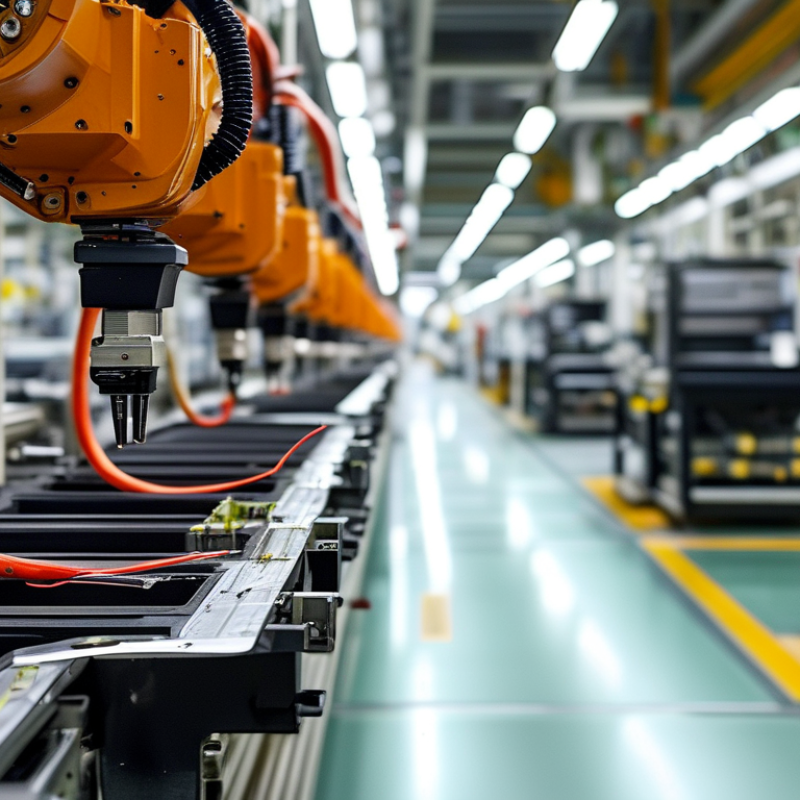
In recent years, technological advancements have transformed manufacturing processes. Automated assembly lines and advanced materials are optimizing production efficiency. For instance, manufacturers are increasingly using lightweight materials, which improves fuel efficiency in vehicles. However, not all companies have adapted quickly. Some still rely on outdated practices, which can lead to unreliable products. This inconsistency can significantly affect end-user satisfaction and safety.
Furthermore, the push for sustainability is reshaping industry standards. Many manufacturers are exploring eco-friendly materials and reducing waste. A report from an industry analyst indicated that 70% of companies aim to implement sustainable practices by 2025. Yet, challenges remain. Achieving environmental goals often requires upfront investment and expertise that some smaller manufacturers may lack. Thus, finding the right partnership in production becomes paramount for success in this evolving landscape.
Evaluating Manufacturing Capabilities: Key Metrics and Performance Indicators
When selecting a cable harness manufacturing partner, evaluating their manufacturing capabilities is crucial. Key metrics such as production capacity and lead time play a significant role. Does the partner meet your volume requirements? Can they deliver on time? Understanding these aspects helps ensure a smooth operation.
Performance indicators are equally important. Look for quality control processes that are in place. How often do they perform audits? What about their defect rates? These details offer insight into their reliability. A partner with a robust quality assurance program typically demonstrates accountability.
Flexibility is another factor to consider. Can they adapt to design changes? What are their response times to customer inquiries? The ability to pivot in manufacturing reflects their expertise. While hoping for perfection, acknowledging the potential for miscommunication is essential. Partnering with an adaptable manufacturer can help mitigate unexpected challenges.
Assessing Quality Standards: Compliance with IPC and Other Certifications
When selecting a cable harness manufacturing partner, quality standards play a pivotal role. Compliance with IPC standards, an authority in electronic assembly, is critical. Recent industry reports indicate that 80% of manufacturers emphasize IPC certification as a key factor in choosing suppliers. This certification demonstrates a commitment to quality, ensuring that products meet rigorous performance standards.
Apart from IPC, manufacturers should look for other relevant certifications. For instance, ISO 9001 acknowledges consistent quality management. A 2022 study found that companies with ISO certifications reported 25% fewer product defects. This statistic highlights the direct correlation between certified processes and quality assurance.
Evaluating a partner's commitment to continuous improvement is also essential. Many manufacturers adopt Lean practices to reduce waste and enhance efficiency. However, not all firms successfully implement these practices. A notable 40% struggle to sustain improvements over time. This inconsistency can affect long-term product quality and reliability. It’s crucial to assess how potential partners handle quality control and whether they demonstrate a proactive approach to potential challenges.
Cost Considerations: Balancing Quality and Price in Cable Harness Production
When selecting a cable harness manufacturing partner, cost is often a significant factor. Balancing quality and price can be challenging, but it’s critical for your project's success. Low-cost manufacturers may seem appealing, yet they often compromise on quality. This can lead to failures and additional costs in the long run. It's essential to carefully evaluate potential partners to ensure they meet your quality standards while aligning with your budgetary constraints.
Assessing the total cost of production is more than just looking at the price tag. You should consider the materials, labor, and shipping costs. Additionally, factor in potential warranties and after-sales support. Sometimes, investing a bit more upfront can save you from expensive repairs or replacements later. It's advisable to request samples and conduct thorough quality checks.
Tips: Always ask for references from previous clients. This can provide insights into the manufacturer's reliability and quality. Furthermore, maintain open communication with your chosen partner. Clear dialogue can help resolve issues swiftly and prevent misunderstandings. Don’t hesitate to negotiate terms that better fit your budget while ensuring you don't sacrifice crucial quality aspects.
Choosing a Partner: Importance of Communication and Collaboration in Projects
In the intricate world of cable harness manufacturing, effective communication is crucial. Studies show that 70% of project failures stem from miscommunication. This statistic highlights the importance of establishing clear lines of dialogue with your manufacturing partner. Frequent updates and feedback sessions can prevent costly errors. When team members understand project goals, they produce better results.
Collaboration goes beyond simple communication. It fosters innovation and efficiency. A recent report indicated that organizations emphasizing teamwork increased productivity by up to 30%. This means choosing a partner who values collaboration can impact your project's success. Engaging in joint planning sessions allows both parties to align on expectations and timelines, reducing misunderstandings.
However, not all partnerships produce smooth results. Disputes may arise. For instance, unclear responsibilities often lead to friction. Regular check-ins can serve as crucial touchpoints to address any emerging issues. A proactive approach ensures both parties remain aligned, enabling a stronger partnership and a higher quality output. Emphasizing these elements in your selection process is essential for long-term success.