How to Choose the Best Smart Plug Outlet for Your Needs?
Smart Plug Outlets have transformed our interaction with everyday devices. These convenient gadgets allow us to control appliances remotely and optimize energy usage. According to a recent report by MarketsandMarkets, the global smart plug market is projected to reach $4.76 billion by 2025, growing significantly each year. This surge underscores the growing interest in home automation.
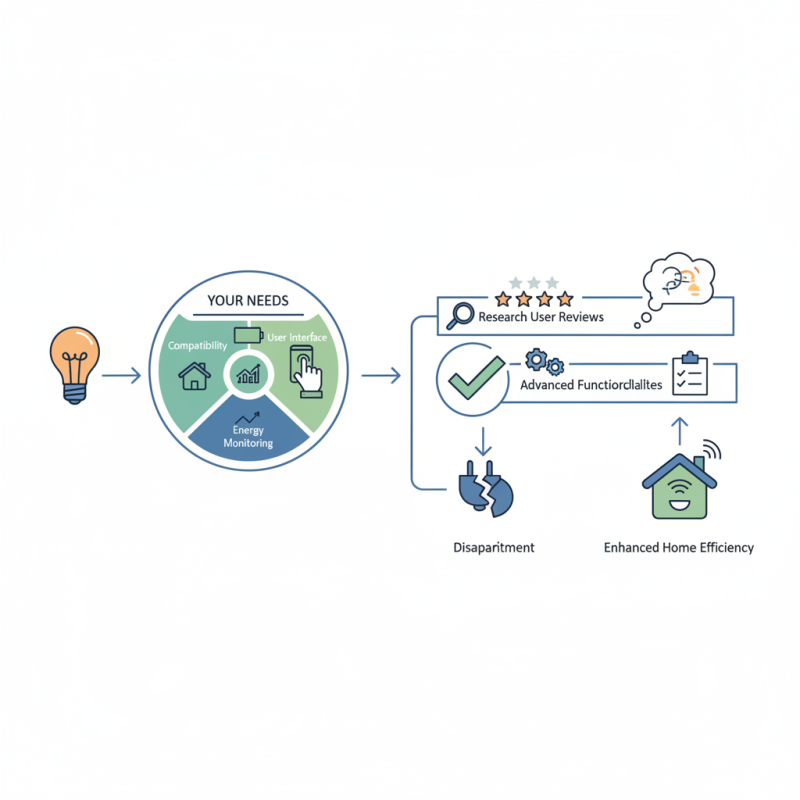
Industry expert Dr. Emily Carter states, “Choosing the right Smart Plug Outlet can greatly enhance your home’s efficiency.” With many options available, selecting a product tailored to your specific needs can feel overwhelming. Consider factors such as compatibility with your smart home ecosystem, energy monitoring features, and user-friendly interfaces. Each feature plays a critical role in ensuring that your Smart Plug Outlet meets your lifestyle requirements.
While many products boast advanced functionalities, some might not deliver on their promises. Research user reviews meticulously. The experiences of others can provide insights into a product's reliability. A detailed evaluation can help avoid disappointment. Ultimately, understanding your needs is crucial for making a savvy choice in the world of Smart Plug Outlets.
Understanding Smart Plug Outlets: Key Features to Consider
When choosing a smart plug outlet, it's crucial to consider several key features. Start with compatibility. Ensure the plug works with your home’s Wi-Fi network. Most models prefer 2.4 GHz networks, but some newer versions may support 5 GHz. Next, check the mobile app. A user-friendly app makes management easier. Many smart plugs allow you to schedule devices or monitor energy usage.
Another important feature is voice control. Smart plugs work well with voice assistants, making your life more convenient. Features like remote access enable you to control devices from anywhere. It’s helpful for managing lights and appliances when you are away.
Be wary of energy monitoring features, though. They can provide insights, but the data may not always be accurate. Some plugs also offer surge protection. This is vital if you're connecting sensitive electronics. However, effectiveness can vary among brands. Don't overlook the physical design. Ensure the plug fits into your outlet without blocking adjacent sockets. These details can significantly impact your overall experience.
Smart Plug Outlet Features Comparison
Identifying Your Smart Home Needs for Optimal Plug Selection
Choosing the right smart plug outlet begins with understanding your specific needs. Evaluate what devices you want to control remotely. For example, if you have lamps, look for plugs that enable scheduling and dimming features. This functionality enhances not only convenience but also energy savings.
Consider the capacity and compatibility of the smart plugs. Some devices require a higher wattage than others. Using a plug that can't handle the load may lead to potential hazards. Reflect on your home's current setup and what might be added later. Identifying all devices in advance can streamline your selection.
Don't rush your decision. Research the features of different plugs. Read user reviews to gauge their effectiveness. However, be aware that not every review holds the same weight. Prioritize options from sources that demonstrate expertise. This approach builds confidence in your purchase, ensuring it meets your lifestyle needs.
How to Choose the Best Smart Plug Outlet for Your Needs?
| Feature | Description | Importance Level |
| Compatibility | Check if the plug is compatible with your smart home system (e.g., Alexa, Google Home). | High |
| Wi-Fi Connectivity | Look for plugs that offer stable Wi-Fi connections to prevent disconnections. | High |
| Energy Monitoring | Features that track energy usage to help save on electricity bills. | Medium |
| Scheduling Options | Ability to set schedules for turning devices on or off. | Medium |
| Size and Design | Consider how much space the plug will take up, especially if it blocks other outlets. | Low |
| Voice Control | Check for voice control features for ease of use. | High |
| App Functionality | A user-friendly app for managing settings and features. | Medium |
Evaluating Compatibility with Existing Devices and Ecosystems
When selecting a smart plug outlet, compatibility is crucial. Different devices and ecosystems function in diverse ways. Understanding these differences helps ensure smooth integration. Before making a purchase, consider the devices you already own. Ensure the smart plug can connect with your existing systems like voice assistants or smartphone apps.
Not all smart plugs work seamlessly with every device. Some may support Wi-Fi connections but lack compatibility with Bluetooth devices. This can lead to frustration if your devices cannot communicate. Check user reviews and professional evaluations for insights. Some plugs may excel in features but struggle with compatibility.
Moreover, ecosystems differ greatly. A user-friendly design is essential, but compatibility must align with your routine. If a plug does not connect properly, it may waste valuable time. Reflect on your specific needs. Are all your devices compatible with the smart plug you’re considering? This step can save you from costly mistakes and enhance your smart home experience.
Assessing Energy Monitoring and Usage Management Options
When choosing a smart plug, energy monitoring capabilities often stand out. Users expect insights into their energy consumption. This feature helps track usage patterns and pinpoint energy hogs. Some models provide real-time data. Others offer daily or weekly reports. This can foster a more conscious approach to energy use.
Consider the compatibility of these smart plugs. Not all devices will work seamlessly. Some plugs might only support specific technologies or apps. This could lead to frustration if you already have existing smart home systems. Pay attention to the maximum wattage. Exceeding this limit might damage the plug or the connected device.
Think about the intuitive design of the app. A user-friendly interface enhances the experience. If the monitoring features are complicated, you may end up underutilizing them. Look for options that allow setting schedules and timers. These features promote efficient energy consumption. Remember, the goal is to save energy and reduce costs, not just to monitor them.
Comparing Price Points and Brand Reliability for Smart Plugs
When selecting a smart plug outlet, price and brand reliability play crucial roles. A report from MarketsandMarkets indicates that the global smart plug market is projected to grow from $3.50 billion in 2023 to $10.20 billion by 2028, reflecting rising consumer demand. However, not all brands offer the same level of quality or reliability. Budget options might seem appealing but often compromise on durability and features. Research shows that consumers prefer smart plugs from brands known for their customer service and post-purchase support.
Additionally, a study by Technavio indicates that consumers prioritize compatibility with smart home ecosystems. A reliable brand typically supports multiple platforms, ensuring user satisfaction. Yet, it's important to remember that just because a product is priced higher does not always guarantee better performance. Some consumers report issues with connectivity and response time, even with premium-priced products. Checking user reviews and expert ratings can provide insights into these inconsistencies, guiding you toward smarter purchasing decisions while navigating the myriad of options available.