How to Choose the Best Wifi Smart Switch for Your Home?
In today’s tech-savvy world, choosing the best Wifi Smart Switch for your home is essential. According to recent market research, the global smart home market is projected to reach $174 billion by 2025. This growth directly impacts the need for effective smart switches. Around 38% of households now use some form of smart home technology, highlighting the rising popularity of Wifi Smart Switches.
These devices are not just about convenience; they offer energy efficiency and cost savings. A study showed that smart switches can reduce energy consumption by up to 15% annually. However, many consumers face challenges selecting the right model. Various products have different features, compatibilities, and price ranges.
For instance, some switches offer remote control, while others provide voice command capabilities. Also, installation complexity varies significantly. While some users find smart switches easy to install, others struggle. This inconsistency can be frustrating and may lead to poor purchasing decisions. Evaluating your needs is crucial for making the right choice in the growing Wifi Smart Switch market.
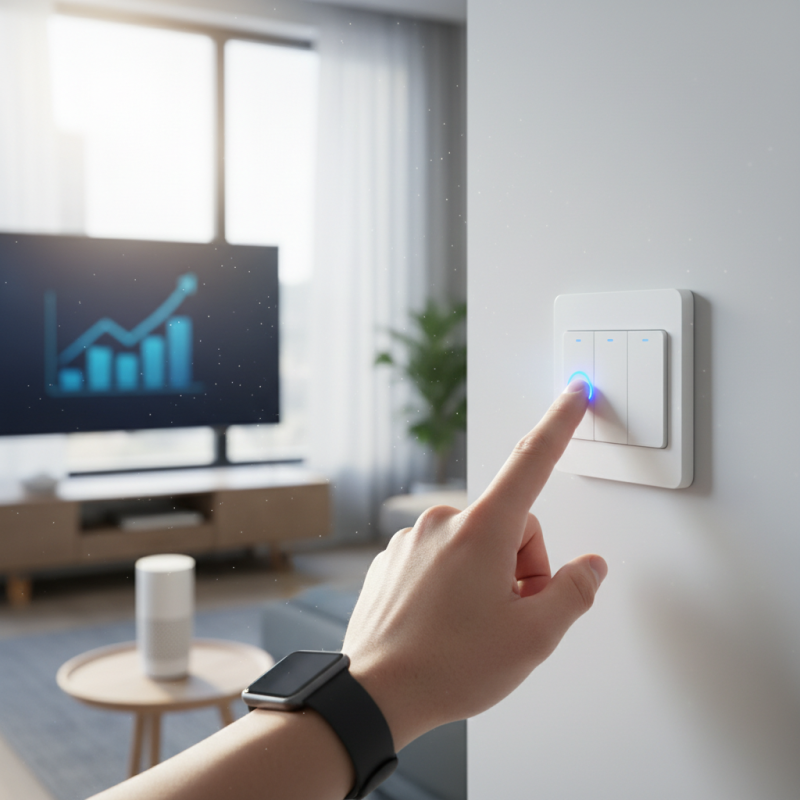
Factors to Consider When Selecting a Wifi Smart Switch for Home Use
Choosing the right WiFi smart switch for your home involves several factors. One key element is compatibility with your existing devices. Ensure that the switch works with your home’s WiFi system. Check if it supports both 2.4GHz and 5GHz bands. This compatibility determines how effectively it syncs with your smart ecosystem.
Another crucial consideration is ease of installation. Some switches require intricate wiring, while others feature a simple plug-and-play design. Think about your DIY skills. If installation feels daunting, choose a user-friendly option. Complex setups may lead to frustration and even disrepair over time.
**Tips:** Look for a switch with user-friendly apps. These allow easy control and configuration. Check for useful features like scheduling and remote access. Additionally, read customer reviews. They often provide insights into real-life performance.
Do not overlook the design. The switch should match your home’s decor. A bulky or outdated model may clash with your interior design. Aesthetics matter, as these are visible in daily life. Consider your preferences while keeping functionality in mind. Balancing looks and usability may take time, but it pays off in the long run.
How to Choose the Best Wifi Smart Switch for Your Home?
| Feature | Consideration | Importance Level |
| Compatibility | Check if it works with your home automation system | High |
| Ease of Installation | Look for a straightforward installation process | Medium |
| Smart Features | Consider timers, schedules, and remote control options | High |
| Energy Monitoring | Check if it tracks energy usage to help save costs | Medium |
| Security Features | Assess if it includes features like alerts or monitoring | High |
| User Interface | Evaluate ease of use of the app or interface | Medium |
| Price | Compare prices against features offered | High |
Understanding Compatibility with Home Automation Systems and Devices
When choosing a WiFi smart switch, compatibility is crucial. Not all smart switches work with every home automation system. About 43% of users reported frustration over device incompatibility. This is a common issue that can be avoided with a little research.
Consider the various home automation platforms available. Systems like Zigbee, Z-Wave, and Wi-Fi each have unique requirements. For instance, a report from the Consumer Technology Association indicated that 31% of consumers use smart home devices across different standards. Ensure that your chosen WiFi smart switch aligns with your existing technology.
Look for devices that support multiple protocols. This flexibility can simplify integration. A report from MarketsandMarkets shows that the global smart home market will grow significantly. However, the diversity in systems means careful selection is essential. Assessing your current devices will guide you toward the most compatible options. Reflecting on user experiences, many found that taking the time to verify compatibility saved them from future headaches.
Evaluating Key Features: Voice Control, Scheduling, and Energy Monitoring
When choosing a WiFi smart switch, evaluating key features like voice control, scheduling, and energy monitoring is crucial. Voice control is becoming more popular. It allows users to turn lights on or off hands-free. This can be very convenient, especially when your hands are full. However, the performance of voice control can vary. Some devices may struggle with understanding commands, and this can be frustrating.
Scheduling is another important feature. It enables users to set specific times for appliances to operate. For example, you can program your lights to turn on at sunset. This improves home security and energy efficiency. Yet, some might find the setup process challenging. It can be a bit confusing to determine the right timings or recurring schedules, and it might require some trial and error before getting it right.
Energy monitoring provides insights into your energy usage. This feature helps you understand which devices consume the most power. It can lead to smarter energy-saving decisions. However, not all devices offer accurate monitoring. Some users might notice discrepancies between reported usage and their actual electricity bills. It's essential to research and read user reviews to ensure reliability. Balancing these features is key, but it can be tricky to find a switch that excels in all areas.
Analysis of Popular Brands and Their Performance Metrics in the Market
When selecting a Wifi Smart Switch, it’s crucial to analyze popular brands and their performance. Many devices offer unique features, but some miss the mark. For instance, a common issue is connectivity. Certain switches struggle to maintain a stable connection, leading to frequent interruptions. This can be frustrating, especially when you depend on automation for your daily routine.
Another factor to consider is energy monitoring. Some models provide real-time data on energy consumption. This feature can help you understand usage patterns. However, not all smart switches reliably track energy metrics. Users often find discrepancies between reported and actual usage, which demands careful evaluation. Ideally, a smart switch should enhance your home experience, not complicate it.
Design is also a pivotal aspect. While many models boast sleek aesthetics, they may lack intuitive interfaces. Sometimes, users face challenges during installation or setup. It's essential to examine user reviews beforehand. The ideal product matches functionality with ease of use, offering a seamless integration into your smart home ecosystem. Exploring options thoroughly can lead to better choices.
Assessing User Reviews and Expert Ratings for Smart Switch Reliability
When choosing a WiFi smart switch, user reviews and expert ratings are vital. A recent report by Statista shows that 78% of consumers rely on reviews before making a purchase. This statistic stresses the importance of real user experiences. Switched devices should not only perform well but also provide reliability. User feedback often highlights common issues, such as connectivity drops or difficult installation processes.
Reliability ratings from tech experts often address these concerns. For example, a survey indicated that 56% of smart switches had reported compatibility issues with routers. This poses a risk for consumers. In contrast, products with high expert ratings typically boast intuitive setups and stable connections. Still, one must be cautious, as some highly-rated switches may lack real-world user support.
It's crucial to balance expert analysis with genuine consumer feedback. A device that seems perfect on paper could fall short in practical use. User reviews often reveal gaps not covered in professional evaluations. Look for patterns in feedback, such as repeated complaints or praise. These insights can guide you towards a more reliable choice for your home.