What Are the Key Benefits of Using LCD Displays?
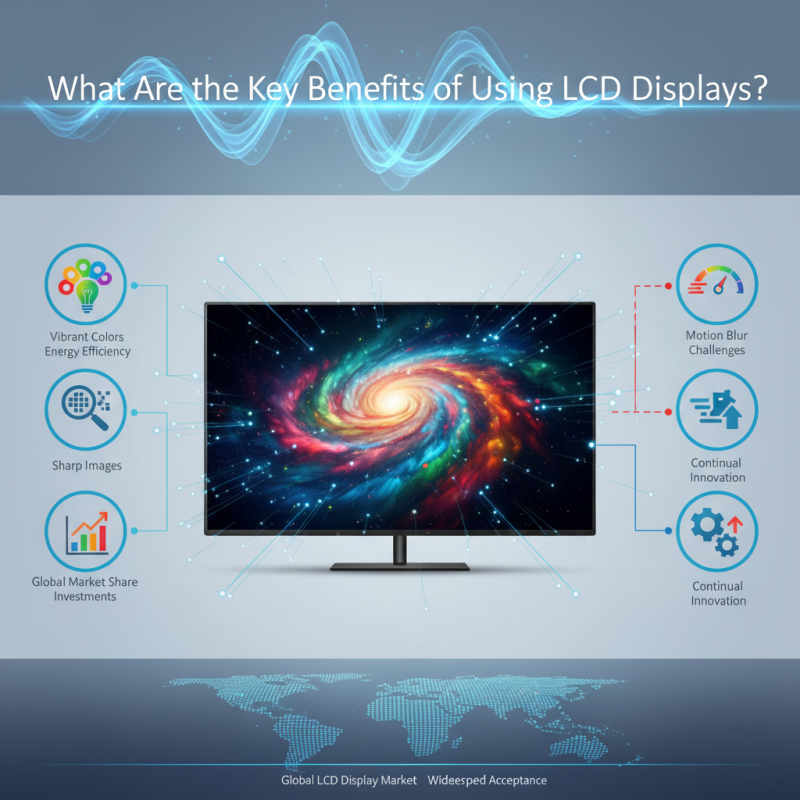
LCD Displays have revolutionized how we interact with technology. According to a report by MarketsandMarkets, the global LCD display market is expected to reach $130 billion by 2025. This growth highlights the increasing demand for high-quality visual solutions in various sectors.
The advantages of LCD displays are profound. They offer vibrant colors, sharp images, and energy efficiency. A study from Grand View Research indicates that LCD technology accounts for over 35% of the global display market share. This statistic reflects the widespread acceptance and reliability of LCD screens in consumer electronics, from televisions to smartphones.
However, despite their benefits, challenges remain. Issues like motion blur can affect user experience during fast-paced activities. It is essential for manufacturers to continually innovate to improve these shortcomings. Therefore, understanding the key benefits of LCD displays helps organizations make informed decisions about their technology investments.
Key Advantages of LCD Displays in Modern Technology
LCD displays have transformed modern technology with their distinct advantages. One notable benefit is their energy efficiency. Compared to traditional CRT screens, LCDs consume less power. This results in lower electricity bills and a reduced carbon footprint. Many users appreciate the vibrant colors and sharp image quality that LCDs provide. The pixels on an LCD screen offer clarity and precise detail, enhancing the overall viewing experience.
Another advantage of LCD displays is their slim design. These screens occupy less space, allowing for sleeker devices. Thin panels can easily fit in various environments, from homes to offices. Moreover, LCDs are lighter, which makes them ideal for portable devices like laptops and tablets.
However, some users may find that LCDs have limited viewing angles. This can affect the viewing experience if the screen is not directly facing the viewer. Thus, placement is important to maximize image quality.
Additionally, the lifespan of LCDs is generally impressive. Many screens can last for several years with proper care. However, issues like dead pixels can arise, impacting functionality. Regular maintenance can help mitigate such concerns. Understanding the strengths and limitations of LCD displays is essential for making informed choices in modern technology.
Energy Efficiency and Cost-Effectiveness of LCD Screens
LCD displays have gained popularity due to their energy efficiency. They consume less power compared to some older technologies. This low energy consumption reduces electricity bills in homes and offices. Over time, the savings add up significantly. For instance, using an LCD monitor for several hours daily can lead to a noticeable drop in energy costs.
Cost-effectiveness is another critical factor to consider. LCD screens typically have a longer lifespan and can withstand daily use better than older models. This durability means fewer replacements and lower long-term maintenance costs. Users might not initially see these benefits but over time, the positive impact on budgets becomes clear. The initial investment often pays off within a few years, which is worth reflecting on for those considering upgrades.
However, it’s important to acknowledge that not all LCD displays are created equal. The quality of energy-saving technologies may vary between different manufacturers and models. A deeper understanding of specifications is essential. Users should consider their specific needs and environments before purchasing. These choices will influence both performance and efficiency outcomes.
Superior Image Quality: Color Accuracy and Resolution
LCD displays are known for their superior image quality, particularly in color accuracy and resolution. Studies have shown that high-quality LCDs can achieve over 99% sRGB color space coverage, making them ideal for graphic design and photography. This level of precision is vital for professionals who rely on accurate color representation. Moreover, resolution plays a key role. Ultra HD displays, with resolutions of 3840 x 2160 pixels, provide four times the detail of 1080p, catering to the needs of detail-oriented users.
However, it’s essential to remember that not all LCDs are created equal. Some can struggle with color uniformity, leading to discrepancies across the screen. This inconsistency can be frustrating for users who demand perfection in their visuals. The technology behind color reproduction varies, and not every display adheres to the same quality standards. Regular calibration is necessary to maintain accuracy over time.
Tips: When purchasing an LCD, consider using a color calibration tool to ensure your display adheres to professional standards. This can enhance your viewing experience significantly. Additionally, always check for reviews from experts or industry reports before making a decision. Small differences in panel types can have outsized effects on color representation and resolution capabilities.
Benefits of Using LCD Displays
Lightweight Design and Space-Saving Features of LCD Displays
LCD displays are well-known for their lightweight design. Unlike bulky traditional monitors, these displays are easy to handle. This feature makes them ideal for various applications. Whether it’s for home use or commercial spaces, LCDs can fit into any environment without overwhelming the area.
Space-saving is another advantage of LCD technology. Their slim profiles allow for versatile mounting options. You can place them on stands or mount them on walls. This flexibility is vital in smaller rooms. It enables better use of limited space. However, one must remember that improper mounting can lead to accidents. Always ensure safety when dealing with installations.
Tip: When choosing an LCD display, consider the weight and size in relation to your setup.
In terms of design, many people overlook the importance of adequate ventilation. If an LCD is placed in a cramped space, overheating can occur. This might affect performance and longevity. Being aware of these factors helps in making informed choices.
Tip: Ensure proper spacing around the display for optimal airflow and heat dissipation.
Versatile Applications of LCD Technology in Various Industries
LCD technology finds extensive applications across multiple sectors, including healthcare, retail, automotive, and education. In healthcare, LCD displays are essential for monitoring patient data and visualizing medical images. Their clarity and energy efficiency enhance the diagnosis process. Retailers often utilize LCDs for dynamic signage, promoting products effectively. This adaptability to various environments underlines the importance of LCD technology.
In the automotive industry, LCD displays serve as crucial interfaces for drivers. They provide real-time data like navigation and speed, making information easily accessible. The education sector employs LCD screens in classrooms, allowing interactive learning experiences. Their ability to present vivid content engages students more effectively than traditional methods.
Tips: Always consider the right size and resolution for your needs. High resolution enhances clarity, especially for detailed visuals. Regular maintenance of you displays ensures longevity and optimal performance. Remember, while LCD displays offer numerous advantages, reflect on specific requirements to achieve the best results.