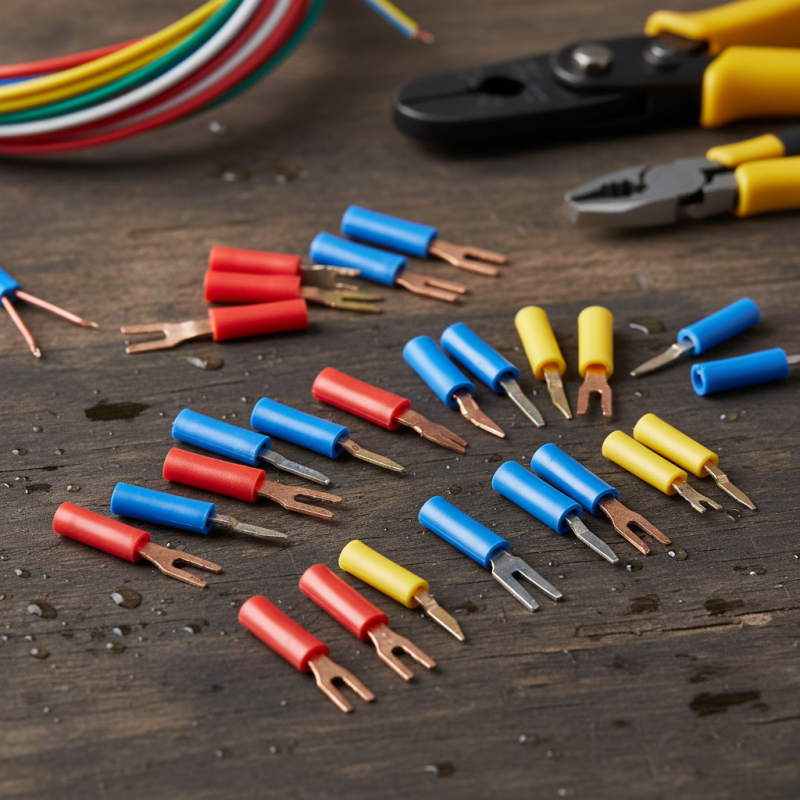
What is a Nylon Insulated Terminal and its Benefits?
In the world of electrical connections, the Nylon Insulated Terminal plays a crucial role. John Smith, an expert in electrical engineering, once said, "Nylon insulation enhances durability and safety in wiring." This highlights the importance of choosing the right components in any project.
Nylon Insulated Terminals are designed to improve performance and longevity. They resist moisture, heat, and corrosion better than standard terminals. This makes them ideal for both industrial and automotive applications. Without proper insulation, connections can fail, leading to costly repairs.
Many overlook the impact of terminal quality. A single poor connection can cause significant issues down the line. While Nylon Insulated Terminals may seem like a minor detail, their absence could compromise an entire system. Therefore, selecting the right terminal is not just a matter of preference; it's essential for reliability.
What is a Nylon Insulated Terminal?
Nylon insulated terminals are electrical connectors widely used in various applications. These terminals are designed to prevent electrical shorts and enhance safety. Their insulation layer provides excellent resistance to heat, moisture, and chemicals.
According to a recent industry report, nylon insulated terminals outperform other materials in electrical resistance by up to 30%. This makes them ideal for sectors such as automotive and electronics. The durability of nylon also contributes to their popularity. However, they may not always be the easiest to install, especially in tight spaces. Misalignment during installation can lead to connectivity issues.
Despite their benefits, nylon insulated terminals can be more expensive than alternatives. This might deter some buyers, especially for large-scale projects. However, the long-term savings from reduced failures often justify the initial cost. Recognizing these trade-offs is crucial for decision-making in electrical component selections.
Nylon Insulated Terminals and Their Benefits
Key Features of Nylon Insulated Terminals
Nylon insulated terminals are essential in electrical applications. They provide reliable connectivity in various environments. The key features of these terminals make them a preferred choice for many professionals.
One significant benefit of nylon insulated terminals is their excellent insulation properties. They resist heat and chemical damage. According to a report by the Electrical Safety Foundation International, proper insulation can reduce electrical failures by 30%. This statistic highlights the importance of using quality materials in electrical components.
Durability is another notable feature. Nylon can withstand harsh conditions, which extends the lifespan of the terminals. This is vital for outdoor applications, where exposure to moisture or UV light can lead to deterioration. It's observed that products with nylon insulation can last up to three times longer than those without. However, not every installation is flawless. Sometimes, improper crimping can lead to connection issues. Thus, attention to detail is crucial during installation.
Advantages of Using Nylon Insulated Terminals
Nylon insulated terminals are essential components in electrical systems. They provide reliable connections while ensuring safety. A key advantage of using nylon insulated terminals is their resistance to heat and chemicals. This durability protects against environmental wear and tear. In situations where wires might encounter moisture, these terminals prevent corrosion effectively.
Another significant benefit is their ease of installation. The flexible design allows for quick attachment to wires. This can save time during assembly. In some cases, users may encounter challenges securing terminals tightly. It’s crucial to ensure a snug fit to avoid connectivity issues. Nylon insulated terminals also offer excellent electrical conductivity. They maintain stable connections in various applications, including automotive and industrial settings.
While these terminals come with many advantages, there are areas that require attention. Not all nylon insulation is the same, and lower quality options may not meet safety standards. Users should pay close attention to specifications. Proper installation techniques are key to enjoying the full benefits of nylon insulated terminals. In some instances, a little extra care can make a significant difference in performance.
Applications of Nylon Insulated Terminals in Electrical Wiring
Nylon insulated terminals are essential components in electrical wiring systems. They provide secure connections while protecting against corrosion and moisture. Their durability makes them suitable for a variety of applications. In fact, the global market for nylon terminals is projected to reach over $1 billion by 2025. This highlights their rising importance in various industries.
These terminals are widely used in automotive wiring. They can withstand extreme temperatures and vibrations. A report from the International Journal of Electrical Engineering states that nylon insulation can extend the lifespan of terminals significantly. In marine applications, they prevent water damage. This is crucial; moisture can lead to short circuits and failures.
Despite their benefits, there are concerns regarding installation. Improper crimping can cause connectivity issues. In some cases, users take shortcuts. They neglect to check compatibility with wire gauges. This can result in reduced performance and increased risk of failure. Users must pay attention to proper installation techniques to ensure reliability.
Comparing Nylon Insulated Terminals to Other Types of Insulation
Nylon insulated terminals are increasingly popular due to their durability and insulation properties. They outperform many other types of insulation, especially when it comes to heat resistance. In contrast to vinyl or rubber, nylon can withstand higher temperatures. This makes nylon terminals ideal for applications in harsh environments.
Heat and moisture can degrade some insulations over time. Reliable connections are crucial in any electrical application. Choosing nylon can prevent future issues, such as melting or short-circuiting. However, not every situation calls for nylon. It’s essential to assess the specific requirements of your project.
**Tip:** Always match the terminal type with the environmental conditions it will face. If you expect high exposure to heat, nylon is a strong choice. That said, other materials might fit better in less demanding situations. Make sure to consider both performance and cost-effectiveness. Selecting the right insulation type makes a significant difference in the long run.
What is a Nylon Insulated Terminal and its Benefits? - Comparing Nylon Insulated Terminals to Other Types of Insulation
| Type of Insulation | Heat Resistance | Chemical Resistance | Durability | Cost | Best Use |
| Nylon Insulated | High (up to 120°C) | Good | Excellent | Moderate | Automotive, Marine |
| PVC Insulated | Medium (up to 80°C) | Fair | Good | Low | General Wiring |
| Heat Shrink Insulated | High (varies by material) | Good | Very Good | High | Tight Spaces, Outdoors |
| Rubber Insulated | High (up to 100°C) | Excellent | Good | Moderate | Flexible Uses |