2026 How to Optimize Aeration Process in Wastewater Treatment?
The Aeration Process In Wastewater Treatment is vital for maintaining water quality. It helps break down organic pollutants effectively. Without proper aeration, the treatment process can falter. Oxygen is essential for microorganisms that decompose waste. Optimal aeration enhances the performance of wastewater treatment plants.
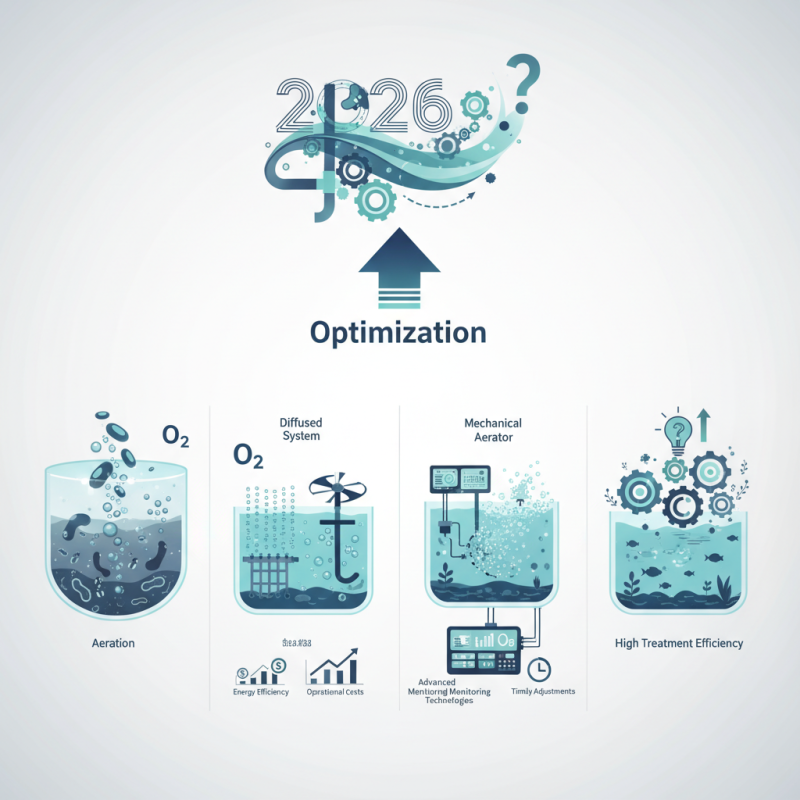
Improving the aeration process requires careful consideration of various factors. Aeration techniques vary widely, from diffused systems to mechanical aerators. Each method has its advantages and challenges. Selecting the right system is critical. Factors such as energy efficiency and operational costs must be evaluated.
In recent years, innovations have emerged to optimize aeration efficiency. Advanced monitoring technologies can offer real-time data. This data allows for timely adjustments. However, it is essential to recognize that not all solutions are perfect. Continuous improvement and adaptation are necessary for achieving high treatment efficiency.
Understanding the Importance of Aeration in Wastewater Treatment
Aeration plays a critical role in wastewater treatment. It enhances the oxygen levels needed for microorganisms to break down pollutants effectively. This process minimizes the environmental impact of wastewater discharge. Proper aeration leads to better treatment efficiency and reduces the likelihood of harmful smell and sludge buildup.
To optimize aeration, monitoring dissolved oxygen levels is essential. Regular assessments can help maintain the right balance for effective microbial activity. Insufficient oxygen can stall the treatment process, while excess can waste energy and resources. Striking the right balance is crucial yet sometimes overlooked.
Tips for optimizing aeration include using aeration tanks with variable speed blowers. These adjust oxygen supply based on real-time data, improving efficiency. Additionally, consider the use of fine bubble diffusers. They increase surface area, promoting better gas transfer. Frequent maintenance of your aeration system can prevent inefficiencies that often arise from neglect. Reflecting on your current setup may reveal areas that need attention.
Factors Influencing Aeration Efficiency in Treatment Processes
Aeration is a critical step in wastewater treatment, influencing both efficiency and effectiveness. Various factors impact aeration efficiency. The design of aeration tanks and the method of introducing air play a significant role. For instance, a study published in the Journal of Environmental Engineering indicates that optimizing tank depth and width can enhance oxygen transfer rates by up to 30%. Dissolved oxygen levels, particularly between 2-5 mg/L, provide a favorable balance for microbial activity.
Another significant factor is the temperature of wastewater. Warmer temperatures can improve biodegradation rates, while colder temperatures often slow down microbial activity. According to the Water Environment Federation, maintaining an optimal temperature range in treatment plants increases overall treatment performance by nearly 25%.
**Tips:** Regularly assess the aeration system's performance with monitoring tools. Small adjustments can lead to measurable improvements.
Before investing in upgrades, analyze your current system's air distribution. Distribution inefficiencies can reduce aeration effectiveness and affect overall treatment times. A well-planned approach is vital for long-term sustainability.
2026 How to Optimize Aeration Process in Wastewater Treatment?
| Factor | Description | Impact on Aeration Efficiency | Recommended Practices |
| Oxygen Transfer Rate | The rate at which oxygen is transferred from the air to the water. | High oxygen transfer rates enhance aerobic treatment efficiency. | Use fine bubble diffusers for better oxygen distribution. |
| Mixing Intensity | The vigor with which the wastewater is mixed during aeration. | Adequate mixing ensures uniform distribution of oxygen and prevents dead zones. | Optimize blower speed and mixer settings. |
| Water Temperature | The temperature of the wastewater affects oxygen solubility. | Colder temperatures generally hold more dissolved oxygen. | Monitor and adjust aeration processes based on seasonal changes. |
| Biological Load | The amount of organic matter present that bacteria will decompose. | Higher biological loads require more oxygen. | Conduct regular assessments of incoming wastewater quality. |
| Aeration System Design | The configuration and type of aeration equipment used. | Efficient designs minimize energy costs and maximize oxygen transfer. | Invest in energy-efficient aeration systems tailored to specific plant needs. |
Technologies for Enhancing Aeration in Wastewater Treatment Systems
Aeration plays a critical role in wastewater treatment. By increasing oxygen levels, it promotes the breakdown of organic pollutants. Various technologies have emerged to enhance aeration efficiency, ensuring higher treatment standards. According to the Water Environment Federation, optimizing aeration can reduce energy consumption by up to 30%. This statistic highlights the potential for significant cost savings and environmental benefits.
One innovative approach is fine bubble aeration. This method produces smaller bubbles, increasing the surface area for oxygen transfer. Studies show that fine bubble systems can improve oxygen transfer efficiency by 50% compared to traditional methods. However, they require careful maintenance to prevent clogging. Regular checks are essential to sustain optimal performance.
Another promising technology is the use of diffused aeration with automated control systems. These systems adjust aeration rates based on real-time data. This adaptability leads to further energy savings. However, initial implementation costs can be a barrier for some facilities. Proper training and knowledge sharing are vital for successful integration into existing systems. Balancing cost and efficiency remains a critical challenge in optimizing aeration processes.
Best Practices for Monitoring and Maintaining Aeration Systems
Maintaining optimal aeration systems is crucial for effective wastewater treatment. Regular monitoring ensures that oxygen levels and mixing are adequate for microbial performance. Operators must stay vigilant. Anomalies can lead to system inefficiencies.
Tips for monitoring include using dissolved oxygen (DO) sensors. These should be calibrated regularly for accuracy. Visual inspections can help identify sludge buildup or equipment wear. Pay attention to odor changes; they can indicate imbalances in the aeration process.
When maintaining aeration systems, consider the specific needs of your facility. Adjust aeration rates as needed, based on real-time data. Periodic maintenance checks can reveal potential issues early. Over time, systems may become less efficient. Don’t overlook the small details. Even minor adjustments can lead to significant improvements in performance.
Future Trends in Aeration Techniques for Wastewater Management
Optimizing the aeration process in wastewater treatment is crucial for effective management. Future trends in aeration techniques promise significant improvements. For instance, the use of fine bubble aeration has gained attention. These bubbles enhance oxygen transfer rates, fostering better microbial activity. This method can lead to a reduction in energy consumption.
Another promising trend is the integration of artificial intelligence. AI can monitor and adjust aeration levels in real-time. This adaptive approach ensures optimal oxygen levels, improving treatment efficiency. However, this technology requires careful implementation. Accurate data collection and system calibration are essential for success.
There is also growing interest in alternative aeration methods, such as membrane bioreactors. These systems combine conventional processes with microfiltration. They can achieve higher treatment standards, but they come with complex operational challenges. Balancing these innovations with existing systems is vital for long-term sustainability. Embracing these trends means addressing both benefits and potential drawbacks.
Future Trends in Aeration Techniques for Wastewater Management