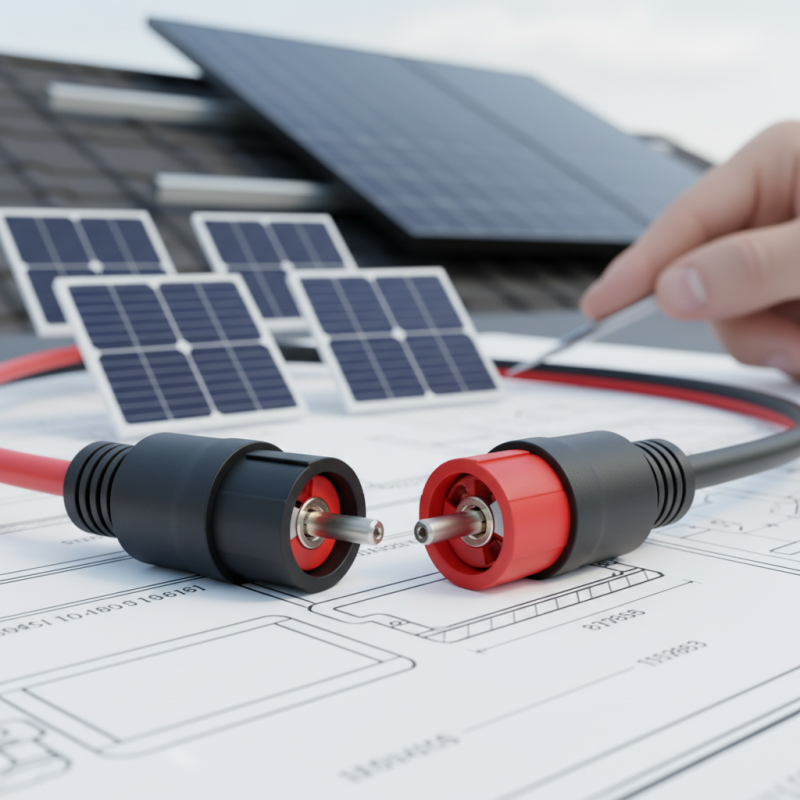
What is a Photovoltaic Connector and How Does it Work?
In the evolving landscape of renewable energy, understanding Photovoltaic connectors is crucial. Leading industry expert Dr. Sarah Matthews emphasizes, "The right connectors are key to efficient solar energy systems." These components are not just minor details; they play a vital role.
Photovoltaic connectors are designed to link solar panels, enhancing energy transfer efficiency. A reliable connection ensures optimum functionality. However, many overlook their significance, potentially leading to inefficiencies. Choosing the wrong type can result in issues down the line.
The quality and design of Photovoltaic connectors influence performance. Yet, even within high-quality systems, errors can arise during installation. This unpredictability can compromise an entire solar setup. Understanding these connectors helps mitigate risks. Ultimately, they are integral to harnessing solar energy effectively.
Definition of Photovoltaic Connectors and Their Importance
Photovoltaic connectors play a vital role in solar energy systems. They are designed for reliable and safe connections between solar panels and inverters. These connectors ensure efficient energy transfer from solar panels to the electrical grid or storage systems.
Each connector is engineered to withstand harsh environmental conditions. For instance, they are resistant to moisture and dust. This durability is critical for maintaining system efficiency. Poor connections may lead to energy losses. It's essential to regularly inspect them to ensure good performance.
Tip: When installing photovoltaic connectors, ensure they are compatible with your specific solar panel system. Mismatched connectors may lead to connectivity issues.
Additionally, it's important to check the sealing features. A loose connector can allow moisture to enter, causing corrosion. This can lead to costly repairs.
Tip: Regular maintenance checks can prevent major failures. Keeping connectors clean and dry ensures longevity and efficiency. Always prioritize safety when working with electrical equipment.
Types of Photovoltaic Connectors Used in Solar Systems
Photovoltaic connectors play a crucial role in solar energy systems. They ensure efficient power transmission between solar panels and inverters. The most common types include MC4, Amphenol H4, and Tyco connectors. Each type offers unique features tailored to different system requirements.
MC4 connectors are notable for their reliability and weather resistance. They can handle high temperatures and harsh conditions, which are common in solar installations. Their ease of use and secure locking mechanism are also advantages. According to industry reports, MC4 connectors are widely used, covering about 80% of the market share.
Amphenol H4 connectors serve as a viable alternative. They are designed for easier installation and improved performance. However, their adoption is less widespread, with about 15% market penetration. Tyco connectors are less common but are favored in niche applications. Their unique design allows for compact setups, making them suitable for limited space.
The choice of connectors can impact system efficiency significantly. Poor connections can lead to energy loss, stressing the need for the right selection. Regular checking and maintenance are essential to ensure long-term performance.
Mechanism of Action: How Photovoltaic Connectors Function
Photovoltaic connectors play a crucial role in solar energy systems. They ensure reliable connections between solar panels and other components. Their mechanism of action is straightforward but essential. These connectors contain metal pins or blades that create a solid electrical contact when inserted. This contact allows for efficient current flow. According to recent industry reports, over 80% of solar installations in 2022 utilized high-quality connectors.
The materials used in these connectors are vital. Most are designed to withstand harsh environmental conditions. They resist water, dust, and UV exposure. Performance can degrade if the wrong connector is used. Poor connections can lead to energy losses of up to 5%. This highlights the importance of using appropriate products for specific applications.
**Tip:** Regularly inspect photovoltaic connectors for wear and corrosion. This simple practice can prevent costly replacements.
Ensure you choose connectors that can handle the voltage and current of your system. Many connectors are rated for specific ranges. Always check product specifications before installation.
**Tip:** Document the connector types used in your system. This can aid troubleshooting and maintenance in the future.
Installation Process for Photovoltaic Connectors in Solar Arrays
Installing photovoltaic connectors is crucial in solar array setups. These connectors ensure a stable connection between solar panels, allowing for efficient energy transfer. It’s essential to follow specific guidelines during installation to avoid common mistakes.
Before starting, gather all necessary tools. Disconnect any power sources to ensure safety. Clean the surfaces where connectors will be attached. This step often gets overlooked but is vital for a reliable connection. Next, align the connectors properly. Many installers make errors here due to haste. Misalignment can lead to significant energy losses.
Once the connectors are aligned, securely attach them by following the manufacturer's instructions. It's important to check each connection thoroughly. A loose connection can result in decreased performance or even damage over time. After everything is connected, conduct a system test. This final step confirms that all connections are working optimally. It’s easy to overlook, but it can save headaches later.
Photovoltaic Connectors Efficiency Comparison
Benefits of Using High-Quality Photovoltaic Connectors in Solar Projects
High-quality photovoltaic connectors are essential for efficient solar projects. They play a crucial role in ensuring that photovoltaic systems operate smoothly. A well-designed connector minimizes resistive losses. This directly impacts energy efficiency and overall performance.
Another benefit of using high-quality connectors is durability. They are made to withstand harsh environmental conditions, including extreme temperatures and moisture. Quality connectors can resist corrosion, which is a common issue in solar installations. Poor-quality options often fail prematurely, leading to higher maintenance costs.
However, not all connectors are equal. The market offers a mix of designs and materials. It's important to choose wisely. A subpar connector might seem cost-effective initially. Over time, it could lead to significant operational issues and energy loss. Careful selection is key for long-term productivity.