POF Shrink Tube Bag Tips for Perfect Packaging Results?
The packaging industry has seen significant advancements, particularly with materials like the POF Shrink Tube Bag. According to a recent market analysis, the global shrink film market is projected to reach $13.2 billion by 2026, with a substantial portion attributable to POF technology. This indicates a rising demand for efficient packaging solutions across various sectors.
POF Shrink Tube Bags are known for their excellent clarity and strength. They provide a tight, sleek presentation that enhances product visibility. However, achieving the perfect packaging results requires a deep understanding of the materials and process. Many users overlook critical factors like temperature control and film thickness. In some cases, improper sealing can lead to unhappy customers or wasted materials.
While POF Shrink Tube Bags offer numerous benefits, they are not without challenges. The need for precise heat settings and potential wrinkling during the shrinking process can complicate packaging efforts. Understanding these nuances can help businesses streamline operations. In a fast-paced market, overlooking these details can result in inefficiencies that affect both product appeal and profit margins.
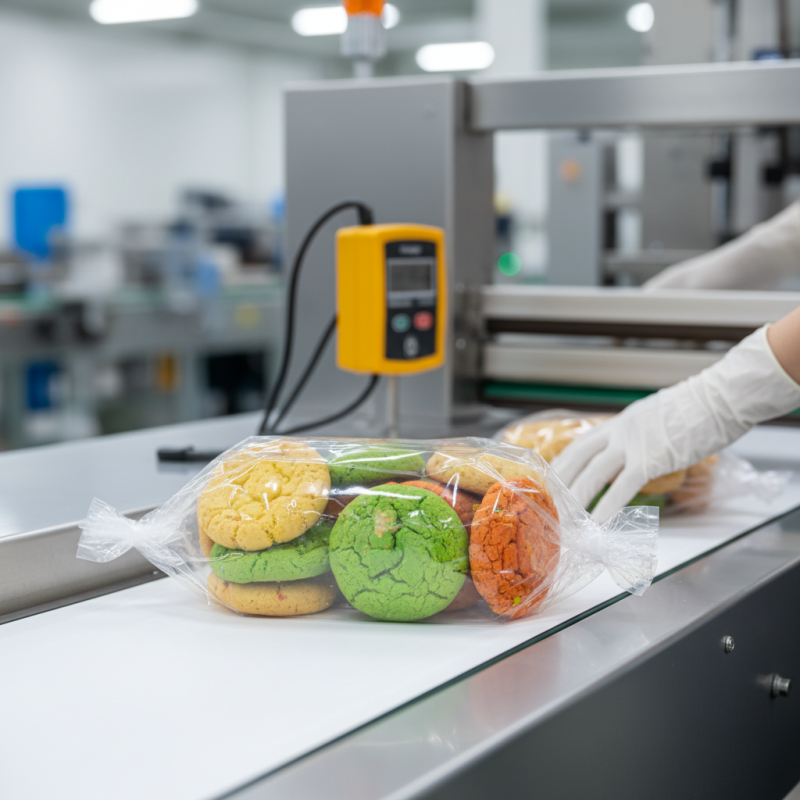
Understanding POF Shrink Tube Bags and Their Uses
POF shrink tube bags offer a versatile solution for packaging various items. These bags are perfect for wrapping products like cosmetics, food, and electronics. Their clear, thin design highlights the product inside while providing protection during transport. The bags are available in multiple sizes, making them adaptable for a variety of uses.
Understanding how to use POF shrink tube bags efficiently is key. Make sure the items are clean before packaging. This ensures a smooth finish after shrinking. It’s also crucial to test your heat source. Too much heat can cause the bags to shrink unevenly. Watching the process closely can lead to better results.
One common mistake is not allowing enough room inside the bag. If items are too tightly packed, it may lead to tearing or inadequate sealing. Each bag should have a little extra space. This small detail can make a big difference. Properly using POF shrink tube bags takes practice. Embrace the learning curve to enhance packaging outcomes over time.
POF Shrink Tube Bag Tips for Perfect Packaging Results
| Feature | Description | Application | Benefits |
| Material | Polyolefin (POF) | Food packaging, Electronics, Gift wrapping | Strong, resistant to punctures and tears |
| Shrink Ratio | Up to 50% | Sealing irregular shapes, Bundling products | Fits snugly around products, reduces shipping costs |
| Temperature Resistance | -40°C to 90°C | Cold storage, Hot environments | Maintains integrity in various temperature settings |
| Clarity | High clarity | Presentation of products | Showcases the product effectively |
Choosing the Right Size POF Shrink Tube Bag for Your Product
Choosing the right size POF shrink tube bag is crucial for effective packaging. Many businesses overlook this aspect, leading to wasted materials and time. According to recent industry reports, improper bag sizing can lead to a 20% increase in packaging costs. This figure emphasizes the importance of precision in choosing the right dimensions for your products.
When assessing size, consider the product's shape and weight. A bag too large can cause shifting during transport. A bag too small may result in tears or damage to the product. Market data shows that around 15% of products are returned due to inadequate packaging. Each mishap reflects poorly on a brand's reliability.
Measuring products accurately is essential. It seems straightforward, yet many skip this step. In a recent survey, 25% of companies admitted to frequently guessing sizes. This practice can harm both the product’s integrity and the brand’s reputation. A well-fitted shrink tube bag enhances protection while improving shelf appeal. Balancing aesthetics and functionality should be a priority in every packaging decision.
Step-by-Step Guide to Properly Sealing POF Shrink Tube Bags
When sealing POF shrink tube bags, the process requires precision. Start by selecting the appropriate size of the bag. A bag that is too large may lead to excess material. Too small, and the item won't fit. Carefully position your product in the bag to avoid uneven shrinkage.
Next, use a heat gun or shrink tunnel for sealing. Even heat distribution is key. If the heat is too intense in one area, it can ruin the packaging. It’s crucial to keep the heat gun moving. Give the plastic time to shrink properly. Watch for bubbles or wrinkles. These imperfections can affect aesthetics and protection.
Once sealed, examine each package thoroughly. Look for weak spots or inconsistent seals. Take notes on what went wrong for future reference. Achieving a perfect seal takes practice. Do not be discouraged by early mistakes. Each attempt enhances your skills and leads to better results over time.
Common Mistakes to Avoid When Using POF Shrink Tube Bags
Using POF shrink tube bags can be a great way to enhance product packaging. However, many people make common mistakes that hinder their results. One prevalent error is not properly sizing the bags. If the bag is too large, it can create unsightly wrinkles and gaps. At the same time, a bag that is too small may not fit the product at all.
Temperature control during the sealing process is crucial. Many overlook the importance of temperature settings. Using the wrong setting can lead to improperly sealed bags. If the heat is too high, the bags might burn or become too brittle. Too low, and they won’t shrink effectively.
A common mistake is rushing the sealing process. It's tempting to speed things up, but a hurried job often results in poor quality. Some people forget to check for air pockets too. These can create an uneven final appearance and compromise the integrity of the seal. Taking the extra time to inspect each bag can lead to a much more polished look.
Common Mistakes to Avoid When Using POF Shrink Tube Bags
Best Practices for Maintaining Perfect Packaging Results with POF Bags
POF shrink tubing can elevate your packaging to new levels. Using these bags effectively takes practice. First, ensure your products are clean and dry before packaging. Moisture can lead to poor sealing. Always check the heat settings on your equipment. Inconsistent temperatures may cause waves or bubbles.
Properly aligning the product in the bag is crucial. If the item is too close to the edge, it might not shrink evenly. A common mistake is packaging too tightly. This can lead to deformation or crushing of the product inside. Consider using padding materials for fragile items.
Experiment with different shrink times and temperatures. Not every product reacts the same way. Observe how each item behaves in the heat. It may take a few tries to find the sweet spot. Don't be afraid to reflect on your process. Analyzing your results can lead to better practices and smoother operations in the future.