Top Quality Dc Charging Connector from China Best Suppliers?
The demand for electric vehicles is rising. With this growth, the importance of the Dc Charging Connector cannot be overstated. This vital component directly impacts charging efficiency and user experience. Finding top-quality DC charging connectors from reliable suppliers is essential for businesses in this sector.
China has emerged as a leading source of DC charging connectors. However, navigating the market to find the best suppliers can be challenging. Many options are available, but not all meet high standards. Ensuring the quality of these connectors requires expertise and careful consideration.
Investing in superior DC charging connectors is crucial. Bad choices can lead to inefficiencies or safety risks. Thus, evaluating suppliers based on experience and product reliability is necessary. The balance between cost and quality must be weighed. Users deserve connectors that perform well under various conditions, and that is where attention to detail becomes paramount.
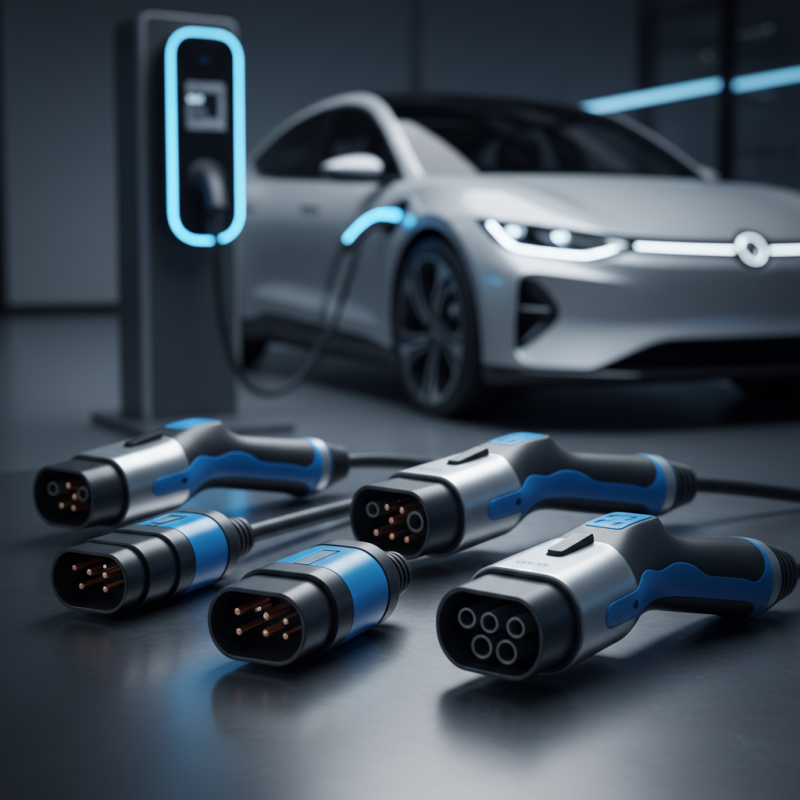
Top Quality DC Charging Connectors: An Overview of Industry Standards
When discussing top quality DC charging connectors, one must consider the industry standards that govern their design and functionality. These standards ensure safety, efficiency, and interoperability across different electric vehicle (EV) charging systems. According to the International Electrotechnical Commission (IEC), connectors must meet specific voltage and current ratings to ensure effective charging and prevent overheating. The IEC 62196 standard, for example, outlines the requirements that connectors need to meet for widespread acceptance and use.
In surveys conducted by industry experts, up to 70% of EV manufacturers emphasize the importance of reliable charging infrastructure. Proper connector design is crucial. Manufacturers often face challenges in balancing cost and compliance with these standards. Data from the Global EV Outlook 2023 highlights a growing demand for DC fast charging solutions, reflecting an increase in electric vehicle adoption. Companies are exploring ways to create connectors that support higher charging speeds while ensuring user safety.
Quality control measures are essential in the production of DC charging connectors. Many suppliers report difficulties in maintaining consistent quality across batches. Industry analysis reveals that connectors must undergo rigorous testing for durability and environmental resistance. Flaws in materials or design can lead to performance issues down the line. The push for higher quality standards continues, with experts calling for better adherence to guidelines and more robust testing procedures.
DC Charging Connectors Quality Comparison
Key Features to Consider When Selecting DC Charging Connectors
When selecting DC charging connectors, there are several key features to consider. The connector's compatibility with various vehicles is crucial. Ensure that it supports different charging standards. A versatile connector can accommodate multiple models, enhancing usability. Pay attention to the power rating. Higher wattage options allow for quicker charging, which is beneficial for users in a hurry.
Another important factor is durability. The connector should withstand frequent use without degradation. Look for materials that resist wear and tear. Waterproof ratings also matter, especially for outdoor charging stations. This adds an extra layer of reliability for users. Don’t overlook the size and weight. Compact connectors are easier to handle and store. However, they must still provide robust performance.
While selecting a connector, consider the design as well. An ergonomic shape improves the user experience. A poorly designed connector may lead to difficulties during use. Reading user reviews can provide insight into real-world performance. It's also wise to assess the supplier's reputation. A reliable supplier often guarantees product quality. However, even established brands are not immune to flaws. Always remain cautious and do thorough research.
Leading Suppliers of DC Charging Connectors in China: A Market Analysis
China has emerged as a leading hub for DC charging connector suppliers, driven by the rapid adoption of electric vehicles. According to recent market research, the DC charging connector market in China is projected to grow at a CAGR of 25.4% from 2023 to 2030. This growth is fueled by increasing government initiatives that promote EV infrastructure development.
Many suppliers prioritize advanced technology to enhance charging efficiency and safety. However, not all manufacturers meet international quality standards. A significant challenge is the inconsistency in quality control among various suppliers. Reports indicate that nearly 30% of manufacturers face difficulties in maintaining reliability in their products. This raises questions about consumer trust and long-term sustainability in the market.
Furthermore, interoperability among different EV models remains a pressing issue. While many connectors are compatible with several EVs, there are still gaps that need addressing. Industry experts emphasize the need for collaboration among suppliers to standardize charging technologies. A unified approach can lead to reduced confusion and improved user experience for EV owners. This evolving landscape demands constant evaluation and adaptation from suppliers to keep pace with technological advancements.
Top Quality Dc Charging Connector from China Best Suppliers
| Connector Type | Current Rating (A) | Voltage Rating (V) | Material | Certification | Average Price (USD) |
| Type 1 | 30 | 480 | Aluminum | CE, UL | 45 |
| Type 2 | 32 | 400 | Plastic | ISO, TUV | 50 |
| Type 3 | 20 | 480 | Copper | CE, RoHS | 40 |
| Type 4 | 50 | 1000 | Steel | UL, ISO | 60 |
Comparative Study of DC Charging Connectors: Performance and Reliability
When evaluating DC charging connectors, performance is a crucial factor. The efficiency of these connectors affects overall charging times. High-quality connectors can significantly reduce the time needed to power electric vehicles. They ensure that energy transfer is smooth and uninterrupted. Reliability is equally important, as a dependable connector minimizes the risk of malfunctions. Frequent disruptions can lead to frustration and inconvenience for users.
A comparative study reveals various materials used in DC charging connectors. For example, connectors made from high-grade metals tend to offer better conductivity. In contrast, cheaper materials may corrode over time, leading to performance issues. Understanding the trade-offs between cost and quality is essential. Users often overlook the long-term costs associated with subpar connectors. A less expensive option could result in higher maintenance costs down the road.
Manufacturers must also consider the environmental impact of their products. Sustainable materials are increasingly important in the market. However, sourcing these materials can be challenging. Not all suppliers prioritize eco-friendly practices. Thus, users should research their suppliers carefully. Performance and reliability should always guide their choice. Balancing quality and sustainability remains a work in progress.
Future Trends in DC Charging Connector Technologies and Innovations
The landscape of DC charging connector technology is rapidly evolving. Futures in this field promise increased efficiency and adaptability. Innovations, such as modular designs, are becoming more common. These connectors are easier to upgrade and maintain, catering to diverse user needs. Flexibility will be crucial for the market, especially with growing electric vehicle adoption.
Battery charging speeds are also improving significantly. New materials are being explored to enhance conductivity. These advancements can lead to faster charging times, responding to consumer demands for convenience. However, there are challenges. Ensuring compatibility across different vehicles and charging stations remains complex.
Safety and reliability are paramount in charging connector design. Overheating and wear can pose serious risks. Manufacturers must implement rigorous testing to establish standards. Nonetheless, the race for innovation often overlooks these critical factors. A balance between innovation and safety is essential for sustainable growth within the industry. Placing user safety first may hinder the pace of new developments but is ultimately necessary.