Top Tips for Choosing an Industrial Computer for Your Business?
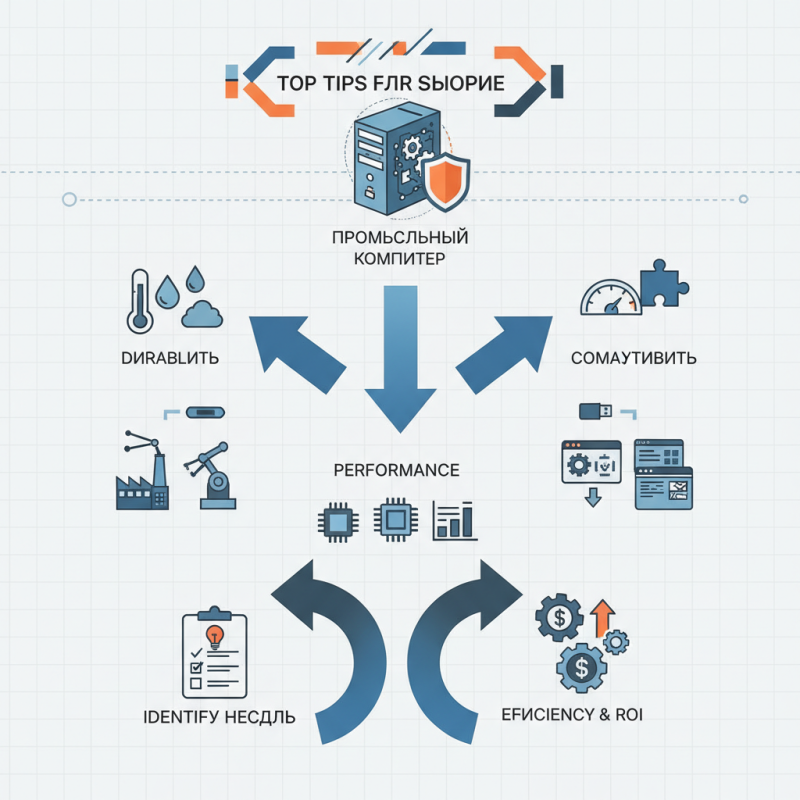
Choosing the right industrial computer for your business is crucial. A "Промышленный компьютер" can significantly enhance productivity and efficiency. With the vast array of options available, making an informed decision becomes challenging. Factors such as performance, durability, and compatibility should be prioritized.
An industrial computer must withstand harsh environments. Consider elements like resistance to dust, moisture, and extreme temperatures. These attributes ensure longevity and reliability. It’s also vital to match the computer’s capabilities with your specific industry needs. Think about the software and hardware your business employs.
However, not every solution will fit seamlessly into your existing system. Some features may not be necessary, leading to wasted resources. Learn to identify your key requirements. Ultimately, investing time in this decision can yield significant returns in efficiency and cost-effectiveness. Choosing wisely is essential to support your operations effectively.
Understanding the Specific Needs of Your Business for an Industrial Computer
When selecting an industrial computer, understanding your business's specific needs is crucial. Each industry has unique requirements. Whether it’s manufacturing, logistics, or retail, these needs will dictate the specifications of the computer you choose. For manufacturing, durability and resistance to dust or moisture may be vital. In logistics, you might need advanced connectivity options to integrate with various systems seamlessly.
Consider the environment in which the computer will operate. If it's in high-temperature areas, find a device that can withstand extreme conditions. The workload is another factor. Assess the applications you plan to run. Heavy data processing requires more powerful hardware. It is crucial to choose a unit that can handle your current needs while allowing for future scalability.
Reflecting on these needs often reveals gaps in understanding. Many businesses neglect to consult with employees who interact directly with technology. Their insights can highlight important functions that might be overlooked. Taking the time to gather this information aids in making a well-informed decision. Prioritizing these specific requirements ensures a more reliable and effective investment in your industrial computing solution.
Evaluating Key Features: Performance, Durability, and Compatibility
When choosing an industrial computer, performance stands out as a critical factor. The processor speed and memory size directly influence the system's efficiency. A robust CPU can handle complex tasks seamlessly. Data shows that systems with at least 16 GB of RAM yield a 30% increase in processing speed for industrial applications. Evaluating computing power tailored to specific tasks is essential. Many industries overlook this aspect, leading to inefficiencies.
Durability is a feature often underestimated. Industrial environments can be harsh, with extreme temperatures and dust. Research indicates that computers rated for extended temperature ranges (from -20°C to 70°C) last significantly longer. This aspect can reduce maintenance costs dramatically. Moreover, understanding IP ratings helps in selecting devices resistant to water and dust ingress. Noting these details ensures that the chosen equipment can withstand real-world conditions.
Compatibility, another pivotal feature, shouldn't be ignored. It affects integration with existing systems. Many companies face roadblocks due to software and hardware mismatches. A study revealed that 45% of industrial computer failures stemmed from compatibility issues. Therefore, assessing software requirements and peripheral integration before making a purchase is crucial. Any oversight can lead to costly disruptions and delays in production.
Top Tips for Choosing an Industrial Computer for Your Business
Comparing Different Brands and Models of Industrial Computers
When selecting an industrial computer, brand and model choices can significantly impact business operations. According to a 2022 market research report, businesses that invest in high-quality industrial computers can improve operational efficiency by up to 30%. Analyzing different brands reveals a variety of features. For instance, some models prioritize ruggedness, while others focus on processing power. Determining the right balance for your specific needs is essential.
One key factor to consider is the operating environment. Some brands excel in extreme temperatures or conditions with dust and moisture. A 2021 study indicated that 70% of industrial computers fail due to environmental factors. Therefore, reviewing the durability specifications of each model is crucial. You should also consider the availability of customer support. Reliable support can make a difference when unforeseen issues arise.
Cost is another critical element. While more expensive models may offer advanced features, it’s essential to evaluate whether such features align with your operational requirements. A report from the Industrial Computing Association noted that 48% of businesses regretted over-investing in high-end specifications without a clear understanding of their needs. Reflecting on these aspects can guide your choice, ensuring you select a model that genuinely suits your operational landscape.
Assessing the Cost vs. Benefit of Investment in Industrial Equipment
Investing in industrial computers can be a complex decision. It requires careful consideration of both costs and benefits. An industrial computer typically represents a significant investment. Before purchasing, evaluate how it will improve efficiency. Will it enhance productivity or minimize downtime? These factors contribute to the overall return on investment.
The initial cost can be tempting to overlook. However, understanding the longevity and durability of industrial computers is crucial. Cheaper options may lead to frequent repairs or replacements. This could increase long-term operational costs. Analyzing energy consumption is also vital. A more efficient system may save on power bills. It’s essential to balance these costs against potential gains.
Additionally, consider the integration of new technology. Industrial computers should be compatible with existing systems. An upgrade that disrupts operations may not be worth it. Reflect on the expected lifespan of the system as well. Sometimes, the most advanced technology isn’t always necessary. Prioritize your specific business needs. It’s about finding the right fit, not just the latest model.
Identifying Support and Warranty Options for Long-term Reliability
When selecting an industrial computer, warranty and support options are critical for ensuring long-term reliability. According to a recent industry report, nearly 70% of businesses experience downtime due to hardware failures. This underlines the importance of robust support services. A solid warranty can cover defects and ensure swift replacements, minimizing disruptions.
Dependable manufacturers often offer comprehensive support packages. Look for those with at least three years of onsite service. This ensures quick problem resolution, alleviating potential losses. Some reports indicate that companies with optimal support structures reduce equipment failures by up to 40%.
Understanding the nuances of support contracts is vital. Read the fine print to know what is covered. Not all warranties are created equal. Some might leave gaps, leading to unexpected costs. Always weigh these options against your specific operational needs and potential risks. Balancing initial investment with long-term returns can significantly impact productivity.
Top Tips for Choosing an Industrial Computer for Your Business
| Feature | Description | Considerations |
| Processor Type | Evaluate if a single-core, dual-core, or multi-core processor fits your application needs. | Ensure compatibility with your software requirements. |
| RAM Capacity | Consider the amount of RAM needed for smooth operation of applications. | More RAM may be necessary for heavy multitasking. |
| Storage Options | Assess if SSDs or HDDs better serve your performance and budget needs. | SSD provides better speed, while HDD offers more storage at a lower cost. |
| Operating Temperature Range | Determine the operating temperature range of the industrial environment. | Choose a computer that can withstand extreme temperatures and humidity. |
| Warranty and Support | Review the warranty offered and support options available post-purchase. | Long-term support is crucial for industrial settings. |
| Expansion Slots and Ports | Check for available expansion slots for future upgrades. | Make sure necessary ports and interfaces meet current and future project needs. |