What is Wire Harness Engineering for Global Buyers?
Wire harness engineering plays a pivotal role in various industries, from automotive to aerospace. It involves designing and creating complex assemblies of wires, connectors, and terminals. These components ensure reliable electrical connections for different systems and devices. A well-engineered wire harness enhances functionality and safety.
Understanding the nuances of wire harness engineering is crucial for global buyers. Each project presents unique challenges. Factors to consider include the environment where the harness will operate and the specific electrical needs. Manufacturers often face obstacles such as material selection and production efficiency. Addressing these challenges requires expertise and experience.
Quality assurance in wire harness engineering cannot be overlooked. Buyers must prioritize reliable suppliers. Establishing strong communication with manufacturers can lead to better outcomes. As companies strive for innovation, they should remain reflective about their wire harness designs and potential weaknesses. Continuous improvement is essential in this ever-evolving field.
Definition and Overview of Wire Harness Engineering
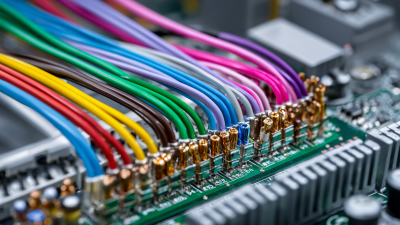
Wire harness engineering is a specialized field focused on designing and assembling complex wiring systems. These systems connect various electronic components within numerous devices, from cars to medical equipment. Engineers in this domain ensure that each wire is strategically placed for optimal performance and safety. Precision is key, as even minor miscalculations can lead to significant issues down the line.
In this engineering process, various materials and technologies are utilized. Engineers must consider factors like heat resistance and electromagnetic interference. Additionally, they often work collaboratively with other engineering teams to ensure compatibility. Attention to detail is crucial. A small oversight could result in product failure, leading to costly recalls or safety hazards. Understanding the unique requirements of each project can help in creating effective designs. Despite the challenges, successful wire harness engineering can yield reliable products that meet consumer needs.
Importance of Wire Harnesses in Various Industries
Wire harnesses play a critical role in various industries, from automotive to aerospace. They ensure the reliable transmission of power and signals within complex systems. In the automotive sector, wire harnesses connect devices like sensors, lights, and power supplies. These connections are vital for vehicle performance and safety.
In the aerospace industry, wire harnesses face unique challenges. They must withstand extreme conditions, such as high altitudes and temperature fluctuations. A failure in a wire harness can lead to catastrophic results. Therefore, engineers focus on designing harnesses that are both lightweight and durable. Every detail matters; even a small oversight can affect aircraft safety.
Manufacturers must continually innovate for improved performance. They face pressures to meet evolving safety standards while keeping costs down. There's often a push for automation in production, but this raises questions about reliability. Balancing automation and quality control is essential. Wire harness engineering is not just about efficiency; it’s about ensuring safety and functionality across industries. The complexity of these systems demands a deep understanding of materials and design principles.
Key Components and Materials Used in Wire Harnesses
Wire harness engineering is crucial for global manufacturing. It involves designing cables and connectors to transmit power and signals. The key components in wire harnesses include conductors, insulators, and protective materials. According to a recent report from the Global Wire Harness Market, the market is expected to reach $145 billion by 2025, driven by the automotive and electronics sectors.
Conductors are typically made of copper or aluminum, selected for their excellent electrical conductivity. Insulation materials often include PVC, XLPE, and rubber. Each material has distinct properties that affect performance and cost. For instance, PVC is cost-effective but may not perform under high temperatures. On the other hand, XLPE offers better thermal resistance. Understanding these materials enables engineers to make informed choices based on application needs.
The protective layer is also vital. It shields against mechanical and environmental factors. Many manufacturers are exploring eco-friendly options, although they may have limitations in durability. Reports suggest that about 30% of wire harness failures are due to insulation degradation. This statistic underscores the importance of choosing the right components to avoid costly failures in the long run.
Design and Manufacturing Processes of Wire Harnesses
Wire harness engineering is essential in various industries, including automotive, aerospace, and electronics. The design and manufacturing processes of wire harnesses require precision. Engineers must consider factors like temperature resistance and flexibility during the design phase. Using advanced software tools, designers create complex layouts to optimize space and functionality. Prototyping helps identify potential issues before mass production.
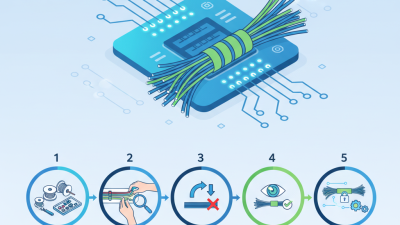
Manufacturing wire harnesses involves several steps. First, selecting the right materials is crucial. These materials must withstand harsh conditions. Next, cutting and stripping wires require accuracy. Many production facilities rely on automated machines for efficiency. After assembly, extensive testing is vital to ensure reliability and compliance with industry standards. This process helps identify defective components early.
However, even with modern technology, challenges persist. Miscommunication during design can lead to costly mistakes. Engineers must collaborate closely with suppliers. Regular reviews and revisions are necessary to refine designs. Learning from past experiences improves future projects. Ultimately, the success of wire harness engineering hinges on a balance of innovation and practicality.
Challenges and Solutions in Wire Harness Engineering for Global Buyers
Wire harness engineering poses unique challenges for global buyers. Different regions face varying regulations and standards. This can lead to complications in design and production. Buyers must navigate these complexities to ensure compliance. Understanding local market conditions is key. This knowledge helps mitigate risks and enhances product reliability.
Supply chain issues are another significant concern. Global buyers often experience delays due to transportation or supplier capacity. Establishing strong relationships with local suppliers can help. However, managing these connections requires continuous effort and monitoring. Effective communication plays a vital role in addressing potential issues before they escalate.
Additionally, quality control presents ongoing challenges. Inconsistent manufacturing practices can lead to defects. Buyers should invest in rigorous testing protocols. Engage with engineers who have deep domain expertise. This ensures that quality standards are met and maintained. Regular audits can reveal weaknesses in the process, allowing for timely adjustments. Addressing these challenges head-on fosters more robust wire harness solutions.
Challenges in Wire Harness Engineering